
What Homeowners Need to Know About the R-410A Refrigerant Phase-Out
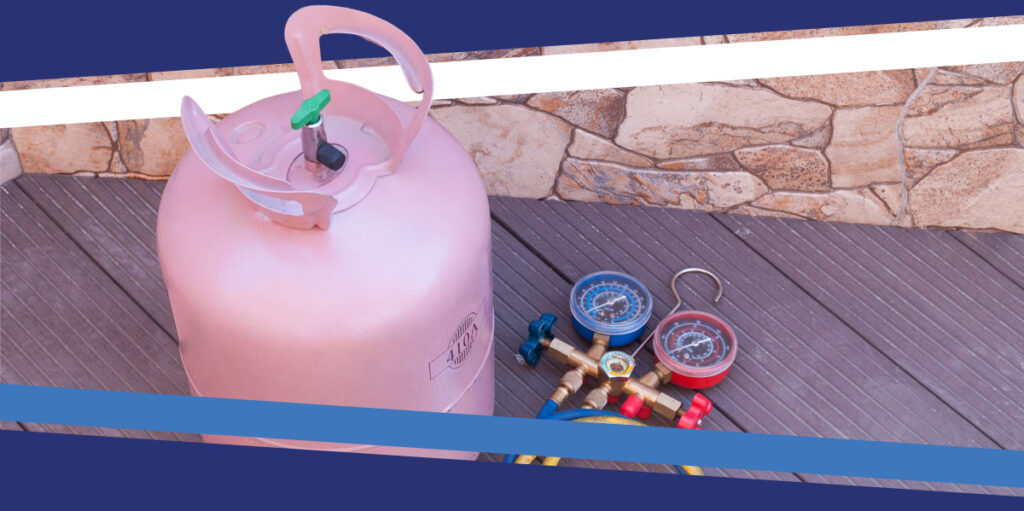
The intense summer heat has New Jersey and Philadelphia homeowners cranking up the air conditioning. Your AC relies on refrigerant to provide that sweet, cooling relief. But while refrigerant cools you down, some types are causing the planet to heat up. R-410A is one such refrigerant. To help curb climate change, the U.S. Environmental Protection Agency (EPA) has begun phasing R-410A out. If you bought your air conditioner unit in the last 10 or 15 years, the chances are it runs on this refrigerant.
How does the R-410A phase-out affect you? And what can you do about it? This handy guide answers these questions and more. Learn all you need to know about the R-410A refrigerant phase-out to keep cool, calm and collected.
What Is R-410A, and Why Is It Phasing Out?
R-410A is a type of hydrofluorocarbon (HFC) refrigerant used in cooling systems. Now for the science bit! HFCs are synthetic compounds consisting of hydrogen, fluorine and carbon. They replaced ozone-depleting hydrochlorofluorocarbons (HCFCs) and chlorofluorocarbons (CFCs) in the 1990s. HFCs were thought to be a more eco-friendly alternative. Today, the harmful effects of this refrigerant have landed it on the climate change hit list.
Greenhouse gases like HFC refrigerants contribute to global warming. R-410A has a global warming potential (GWP) of 2,088. That means it traps heat 2,088 times more than carbon dioxide (CO2) over 100 years! Its high GWP led to the EPA R-410A phase-out. This policy forms part of the American Innovation and Manufacturing (AIM) Act. Introduced in 2020, the Act aims for an 85% HFC phasedown by 2036.
When Will R-410A Changes Happen?
The phasedown began in January 2022. As of January 1, 2025, restrictions kicked in for high-GWP HFC use in new air conditioning equipment. These regulations prohibit the manufacture or import of new R-410A AC systems.
Here is a breakdown of the AIM Act phasedown timeline:
- 10% by January 2022
- 40% by January 2024
- 70% by January 2029
- 85% by January 2036
What Are the Alternatives to R-410A?
If you have doubts about being able to cool yourself with a handheld fan, fear not! Refrigerants with a lower GWP and carbon footprint will replace R-410A. Examples of these planet-friendlier replacements include:
- R-32: This energy-efficient and low-toxicity refrigerant has zero ozone depletion and a GWP of 675. It forms part of the composition of R-410A, making it easy to obtain. While considered mildly flammable, R-32 will only ignite under specific (and unlikely) conditions.
- R-454B: Systems using R-454B need less refrigerant than R-410A. It has a GWP of only 466! Like R-32, this refrigerant can become flammable in specific, but unlikely, situations.
- R-466A: Studies show that R-466A has 0.2% to 23.3% lower CO2 emissions than R-410A. This low-flammability option has a GWP of 733.

When researching alternatives, look into features like flammability, availability and compliance. The EPA’s Significant New Alternatives Policy (SNAP) program evaluates HFC substitutes. Check out the acceptable refrigerant alternatives for air cons before committing to one. You can also speak to a trusted HVAC service provider for advice.
What Does the Phase-Out Mean for Existing Air Conditioners?
The current HFC phasedown is not a death sentence for your trusty R-410A air conditioner. You can still use and service the unit. This phase-out affects the production and import of new, not existing, R-410A units. Here’s what the phase-out means for your current air conditioner.
Continued Use and Servicing
You can keep your R-410A system running for as long as it remains functional. HVAC professionals can still service and repair these units, including refilling them. Your current air conditioner is still legal.
Availability and Cost of R-410A
As R-410A production decreases, so will refrigerant supplies. Diminished availability may lead to higher R-410A prices, especially if service demand continues. Maintaining your older air conditioner may become costlier as newer refrigerant systems emerge.
Importance of Proper Maintenance
Regular maintenance keeps your unit running and avoids costly repairs as refrigerant prices rise. Invest in preventive care, like changing filters or checking for leaks. These tasks can boost performance and reduce refrigerant loss. Addressing small issues can help you avoid major repairs as R-410A becomes less available.
Environmental Responsibility
Leaking refrigerant affects your system’s efficiency and contributes to greenhouse gas emissions. If you notice a leak, contact an HVAC repair company. Technicians know how to minimize environmental impact and fix leaks.
Should You Upgrade Your Air Conditioner Now?
That depends on your personal preference and the condition of your current AC unit. You can get plenty of use from your air conditioner before the final R-410A phase-out in 2036. Consider the following when deciding whether to upgrade:
- Age: The average HVAC system lasts for 10 to 15 years. If you have a newer unit in good condition, you can wait to replace it. Consider upgrading now for an older system nearing the end of its service life.
- Budget: Investing in a new cooling system comes at a cost. Weigh the expense of a replacement vs. the cost of repairing or servicing your current system. Factor in the long-term maintenance costs.
- Efficiency: Newer units offer improved energy efficiency. Upgrading to a more efficient system could save you money on your energy bills.
- Environmental concerns: If the high GWP of R-410A worries you, investing in a low-GWP unit may put your mind at ease.
A qualified HVAC tech can help you extend the lifespan of your current unit and plan for a future upgrade.
Key Takeaways for Homeowners
Stay cool in the face of the R-410A refrigerant phase-out with these takeaways:
- Stay informed: Keep current on the R-410A phase-out timeline and regulations. Understand that while R-410A won’t disappear overnight, its availability will decrease. This knowledge will help you make informed decisions about your AC system.
- Plan ahead: If your AC system is older or nearing the end of its lifespan, start planning for a replacement. Factor in the potential for rising R-410A costs when budgeting for future repairs. Consider exploring newer, more energy-efficient models that use alternative refrigerants.
- Consult with professionals: Talk to experienced HVAC technicians. They can assess your current system and suggest repair or replacement. Get quotes for repairs and new refrigerant systems to make an informed financial decision.

Plan Ahead With Cardwell HVAC & Plumbing
Don’t sweat the R-410A phase-out! Cardwell HVAC & Plumbing is here to simplify the process for New Jersey and Philadelphia homeowners. Our experienced technicians understand the changing regulations. We can service your R-410A system, explain your options and recommend the best path forward. Trust us to service your existing unit or upgrade you to a new, eco-friendly system. Enjoy guarantees on installation and replacements, or your money back!
Give us a call for expert advice, or contact us online to request a service.